Introduction to The Significance and Splendor of Mahakal Temple in Ujjain
The Mahakal Temple, located in Ujjain, India, is one of the most revered pilgrimage sites for Hindus, known primarily for its historical and religious significance. This temple is dedicated to Lord Shiva and is considered one of the twelve Jyotirlingas, which are sacred shrines that celebrate different manifestations of the deity. The sanctity of the Mahakal Temple draws millions of devotees each year, who come to pay their respects and seek blessings.
The origins of Mahakal Temple trace back to ancient times, with historical references cited in various religious texts, solidifying its importance within Hinduism. The temple is believed to have been established in the 4th to 5th centuries, making it a vital part of Ujjain’s spiritual heritage. The architecture of the temple exhibits exquisite details that reflect the rich cultural tapestry of the region, with intricate carvings and elaborate designs that enhance its sanctity.
Ujjain itself is one of the seven Mukti Sthals, important cities in Hindu mythology that promise liberation to those who visit. The Mahakal Temple serves as the focal point of religious activity in the city, especially during festivals such as Mahashivratri, when the temple is adorned with flowers and lights, and devotees participate in rituals and prayers. Furthermore, the temple’s proximity to other sacred sites, including the Baglamukhi Temple, offers visitors a chance to experience multiple spiritual journeys. The distance between the Mahakal Temple in Ujjain to Baglamukhi Temple is easily traversable, allowing pilgrims to indulge in their faith across various holy sites.
In summary, Mahakal Temple’s historical roots and its status as a Jyotirlinga make it an indispensable part of Hindu religious practices. Its architectural beauty and cultural significance continue to attract numerous visitors, who seek not only spiritual fulfillment but also a connection to India’s rich religious traditions.
Historical Background
The Mahakal Temple in Ujjain is one of the most revered shrines dedicated to Lord Shiva, with origins that trace back to ancient times. The significance of this temple is intertwined with the cultural and spiritual fabric of Ujjain, one of the seven Mukti Sthals in Hinduism.
Historical records suggest that the temple was built during the 4th to 5th century CE, although its references can be found in various ancient scriptures, including the Katha Kalpa and the Skanda Purana. The temple’s architecture has evolved through centuries, reflecting different dynasties’ influence, such as the Gupta Empire and the Paramaras. Each of these eras brought with it an array of artistic and architectural contributions, enhancing the temple’s grandeur.
Key events in the temple’s history include its reconstruction in the wake of significant calamities, including devastating fires and invasions that threatened its sanctity. One notable figure associated with its enduring legacy is King Vikramaditya, who is believed to have played a crucial role in the temple’s revival and its ever-growing popularity. His contributions helped the Mahakal Temple to establish itself as a central place of worship, attracting pilgrims from far and wide.
The temple is also linked to powerful myths and legends that augment its historical significance. According to lore, it is said that the Mahakal Temple is one of the twelve Jyotirlingas, embodying divine energy. Due to its sacredness, Ujjain is frequented by devotees and tourists alike, seeking blessings and spiritual experiences.
Moreover, the geographical positioning of the Mahakal Temple denotes its importance, as it is situated near vital transit points such as the nearest railway station, which fosters a steady influx of visitors. The increasing popularity and footfall reflect not only the temple’s religious importance but also its role as a bastion of history, culture, and spirituality in Ujjain.
Architectural Marvel
The Mahakal Temple in Ujjain stands as a testament to the rich architectural heritage of India. This renowned temple is not only a place of worship but also embodies profound artistic expression through its intricate design and structure. Constructed in the traditional Hindu temple style, the Mahakal Temple features remarkable elements that reflect a harmonious blend of aesthetics and spirituality.
One of the most notable aspects of the Mahakal Temple’s architecture is its ornately carved pillars and domes which showcase exquisite craftsmanship. Each pillar is adorned with intricate carvings depicting various deities and scenes from Hindu mythology, thereby contributing to an immersive spiritual ambiance. The temple’s ceiling also boasts unique patterns that highlight sacred geometry, enhancing the divine experience for visitors and devotees alike.
Influences from various architectural styles can be observed throughout the Mahakal Temple, with significant contributions from both the Nagara and Dravidian styles. The structure’s design not only holds religious significance but also represents a confluence of artistic traditions that have evolved over centuries. As tourists and pilgrims travel to partake in the blessings of Lord Shiva, they are unwittingly drawn into the temple’s engaging story told through its architectural elegance.
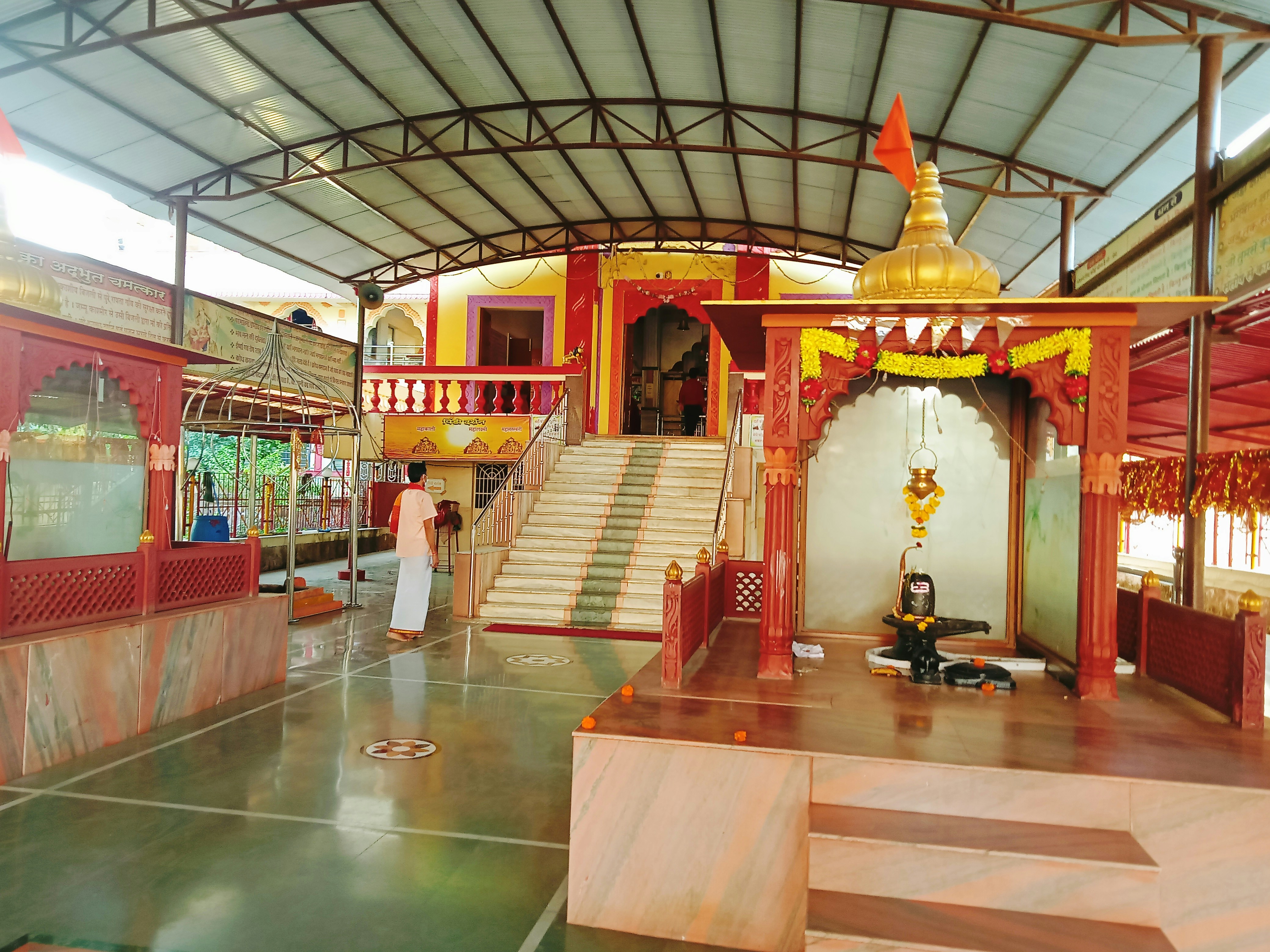
The temple’s layout is meticulously planned, featuring a central sanctum where the idol of Lord Mahakaleshwar is situated, encircled by shrines dedicated to other deities. The adorned statues and carvings throughout the complex reinforce the temple’s spiritual symbolism, drawing the attention of architects and historians alike. Visitors often note that the overall aura of Mahakal Temple in Ujjain is magnified by its majestic architecture that inspires reflection and reverence.
The Idol of Lord Mahakal
The Mahakal Temple in Ujjain is renowned for its majestic idol of Lord Mahakal, which serves as the focal point for devotees and visitors alike. This idol is a striking representation of Lord Shiva, embodying divine energy and power. Crafted from a unique material known as ‘Siddh Maan’, which is an amalgamation of various metals and sacred materials, the idol stands approximately five feet tall, and is adorned with intricate carvings that depict various aspects of Lord Shiva’s persona.
One of the most distinctive features of the idol is its striking three-eyed form, which symbolizes perception beyond ordinary sight, embodying the ultimate wisdom that transcends time and space. The idol is also depicted with a serpent coiling around its neck and a crescent moon adorning its head, reflecting the various aspects of Lord Shiva’s divine attributes. Additionally, it is believed that this particular form of Lord Mahakal presides over the city of Ujjain, anchoring its spiritual significance within Hindu culture.
Rituals associated with the worship of the idol are steeped in tradition. Daily rituals include the offering of sacred flowers, fruits, and the lighting of lamps, which create an atmosphere of devotion and tranquility. The special ‘Bhasma Aarti’ performed during the night is particularly noteworthy, wherein sacred ash is offered, symbolizing the transient nature of the material world. Worshippers believe that engaging in these rituals not only invokes the blessings of Lord Mahakal but also brings peace and prosperity into their lives.
In addition to its physical and spiritual attributes, the idol of Lord Mahakal is surrounded by rich symbolism. It represents the eternal cycle of creation, preservation, and destruction, emphasizing the profound understanding of life’s impermanence. Consequently, it is not merely the homage paid to the deity that draws visitors but the deep, spiritual connection that they develop through their experience at the idol of Lord Mahakal in Ujjain.
The Role of Mahakal Temple in Hindu Traditions and Festivals
The Mahakal Temple in Ujjain holds a pivotal role in Hindu traditions and serves as a focal point for numerous religious festivals and rituals. Among these, the annual Maha Shivaratri festival is particularly significant. This festival, dedicated to Lord Shiva, sees thousands of devotees flock to the temple to participate in night-long vigils, prayers, and rituals. The atmosphere during this time resonates with devotion, as worshippers engage in chanting and offer prayers to seek blessings.
During Maha Shivaratri, the temple is adorned with vibrant decorations, and special rituals take place to honor the deity of Lord Mahakaleshwar. Devotees carry water from the nearby river to perform Abhishekam, a ceremonial bathing of the Shiva Lingam, which symbolizes purification and spiritual awakening. This festival not only enhances personal devotion but also fosters a sense of community as individuals come together to celebrate their shared faith.
Moreover, the Mahakal Temple acts as an epicenter for various rituals throughout the year, including daily worship (puja), festivals like Navratri, and the observance of Shravan month where devotees engage in special prayers dedicated to Lord Shiva. Each of these celebrations carries cultural significance and helps in promoting the values and teachings of Hinduism, thereby ensuring that faith is passed down through generations.
In the context of travel, those looking to visit both the Mahakal Temple Ujjain and the Mata Baglamukhi Temple can do so conveniently, as the distance between the two sites is manageable. The nearest railway stations also facilitate access to devotees, enabling a more profound connection to the spiritual heritage of the region.
Pilgrimage and Visitor Experience
The Mahakal Temple in Ujjain is a revered site for devotees seeking spiritual solace. The pilgrimage not only allows visitors to connect with the divine but also offers a profound experience steeped in tradition. When planning a visit, it is crucial to consider the various rituals that take place throughout the day.
The temple opens early in the morning, with the auspicious Mangala Aarti that sets the tone for the day. Visitors are encouraged to arrive early to participate in this ceremony. The temple typically sees a surge of worshippers during special occasions and festivals like Mahashivratri, where the atmosphere is vibrant with devotional fervor. During these peak seasons, it is advisable to book accommodations in advance as the town attracts a massive influx of pilgrims.
Regarding practical information, the Mahakal Temple operates under a schedule that includes several Aartis (ritual worship), each attracting different groups of devotees. The atmosphere during these rituals is enchanting, filled with the sounds of bells, chanting, and the captivating fragrance of incense. Pilgrims should be prepared for crowds, especially during peak hours, and it is recommended to wear comfortable clothing. A visit to the nearby Baglamukhi Temple is often included in many devotees’ itineraries, making it essential to know the mahakal temple ujjain to baglamukhi temple distance, which is approximately 2 kilometers.
For those traveling via rail, numerous trains serve Ujjain, and the nearest railway station is conveniently located near the temple. This accessibility makes it easier for visitors to plan their pilgrimage efficiently. Engaging in local customs, such as obtaining prasad (consecrated food), enhances the spiritual experience. The Mahakal Temple is not just a destination but a journey into the cultural and spiritual heritage of India, offering visitors a unique glimpse into the deep-rooted traditions surrounding Lord Shiva.
Cultural Significance
The Mahakal Temple in Ujjain is not merely an architectural marvel or a religious site; it stands as a beacon of cultural identity and artistic expression in the region. The temple’s historical significance is deeply interwoven with the cultural fabric of Ujjain, impacting various art forms including literature, music, and dance. Artists and performers often draw inspiration from the temple’s mythology and ceremonies, transforming spiritual narratives into compelling works of art.
Local artists frequently celebrate the legacy of the Mahakal Temple through traditional folk dances and musical performances. Festivals held at the temple, such as Maha Shivaratri, see a remarkable display of vibrant dance forms and soulful music that capture the religious fervor and cultural heritage of the community. This annual celebration attracts hundreds of thousands of devotees and tourists, further embedding the temple’s significance in the broader cultural landscape.
The influence of the Mahakal Temple extends to literature as well, where numerous poets and writers have penned works inspired by its grandeur and spiritual essence. In both classical and contemporary contexts, references to the temple and its deity can be found, enriching the local dialect and vernacular. The narratives surrounding the temple often explore themes of devotion, transformation, and the eternal cycle of life, resonating with both locals and literary enthusiasts.
Thus, the Mahakal Temple serves as a cultural conduit, blending spirituality with artistic expression. It fosters a communal sense of identity, connects generations through shared traditions, and promotes cultural dialogue, making it an integral part of Ujjain’s heritage. The temple not only draws visitors to experience its religious sanctity but also invites them to engage with the dynamic cultural expressions emanating from its hallowed grounds.
Mahakal Temple in Modern Times
The Mahakal Temple in Ujjain holds a significant place in the hearts of many Hindus, even in the contemporary era. As one of the most revered shrines dedicated to Lord Shiva, it continues to attract a large number of devotees from across India and beyond. The temple has adeptly adapted to the demands of modern society while retaining its sacred traditions. Today, the Mahakal Temple serves not only as a religious center but also as a symbol of cultural heritage, embodying the spiritual ethos that resonates with the lives of many modern Hindus.
In recent years, the temple has embraced technology to enhance the pilgrim experience. Initiatives such as online bookings for rituals and live streaming of pujas have been introduced, providing devotees an opportunity to engage with the temple remotely. This incorporation of technology is crucial as it accommodates the needs of younger generations who often seek spiritual fulfillment in their own unique ways, blending tradition with modernity.
The Mahakal Temple’s location in the historical city of Ujjain significantly contributes to its modern relevance. With the proximity to various significant sites, the temple holds a vital position in the broader spiritual landscape. For example, the distance from the Mahakal Temple in Ujjain to Baglamukhi Temple is a common pilgrimage route, offering devotees an enriching spiritual journey. Additionally, for those arriving by train, the nearest railway station is conveniently accessible, further facilitating visitation.
However, the influx of tourists and commercialization presents challenges. While tourism provides essential revenue and enhances the local economy, it may sometimes overshadow the temple’s spiritual atmosphere. Striking a balance between tourism’s benefits and preserving the sanctity of the Mahakal Temple has become a key concern for the authorities.
Conclusion
The Mahakal Temple in Ujjain stands as a prominent monument embodying deep faith, rich culture, and timeless tradition. This ancient temple, dedicated to Lord Shiva, is not only a focal point for millions of devotees but also a hub of vibrant cultural festivities and spiritual practices that have thrived for centuries. As we have explored, the temple’s architectural grandeur and its significance in the Jyotirlinga circuit further enhance its stature as a pivotal site for pilgrimages.
The temple’s exceptional history, intertwined with local folklore, offers visitors a glimpse into the spiritual heritage of India. Visitors can also conveniently plan their journey to the Baglamukhi Temple, situated in proximity, considering the substantial distance from the Mahakal Temple Ujjain. Moreover, knowing the nearest railway station to Baglamukhi Temple Ujjain can facilitate easy access for those who wish to explore multiple sacred sites in the region.
In addition, the Ujjain Mahakal Temple to Mata Baglamukhi Temple distance is manageable for pilgrims who seek to deepen their spiritual experiences across these revered locations. Each temple holds its unique significance and draws individuals eager to engage with their spiritual side. As the highlight of Ujjain, the Mahakal Temple beckons travelers, first-time visitors, and seasoned pilgrims to immerse themselves in its sanctity and learn about its historical and religious importance.
In conclusion, the Mahakal Temple in Ujjain serves as a testament to the unwavering spirituality of the region and its enduring legacy in Indian culture. Those with a deep appreciation for history and devotion are encouraged to visit, experience the divine aura, and discover the rich traditions embedded in this sacred site.