Moksha (Sanskrit: मोक्ष) is the concept of ultimate freedom, liberation, and release — central to Indian philosophy and religions like Hinduism, Buddhism, Jainism, and Sikhism.
The Basic Meaning
Moksha literally means “liberation” or “release” from the cycle of death and rebirth.
Word Origin:
- Derived from Sanskrit word “muc” = “to free”
- Also from “mukt” = “liberation,” “release,” “emancipation”
Core Definition:
Moksha = Freedom from samsara (the endless cycle of death and rebirth)
What Moksha Really Means
Moksha in Hinduism
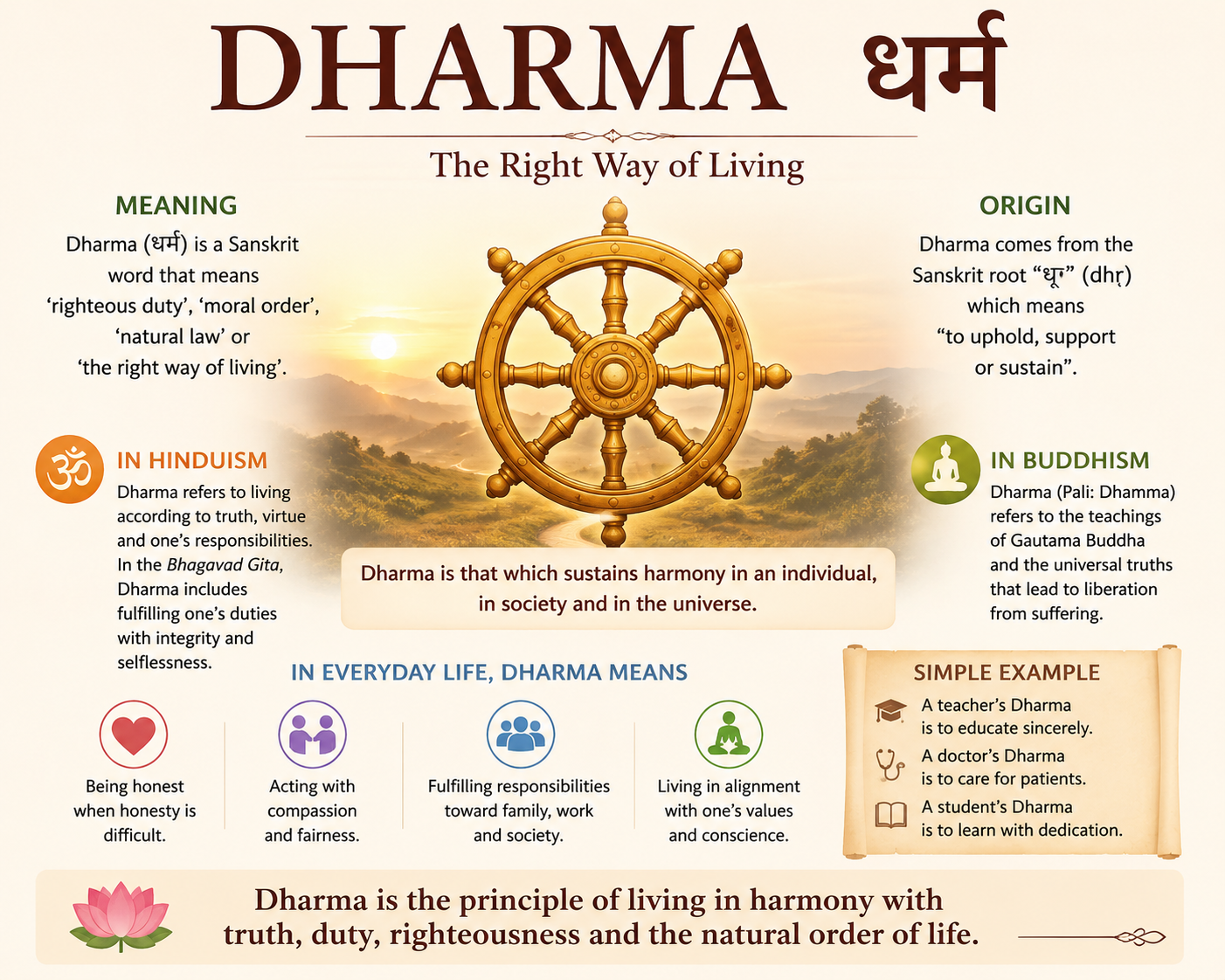
In Hinduism, Moksha is the fourth and ultimate goal of human life (Purushartha).
The Four Purusharthas (Goals of Life):
Moksha is the transcendence of all other arthas — it’s the highest goal
How to Achieve Moksha:
- Overcoming ignorance (avidya)
- Overcoming desires (including the desire for moksha itself!)
- Self-knowledge and self-realization
- Ethical action within the world
- Meditation and spiritual practice
When Can You Achieve It?
Moksha in Different Religions
Key Concepts Related to Moksha
1. Samsara (The Cycle)
The endless cycle of death and rebirth that all souls experience.
- Your next incarnation depends on how you lived your previous life
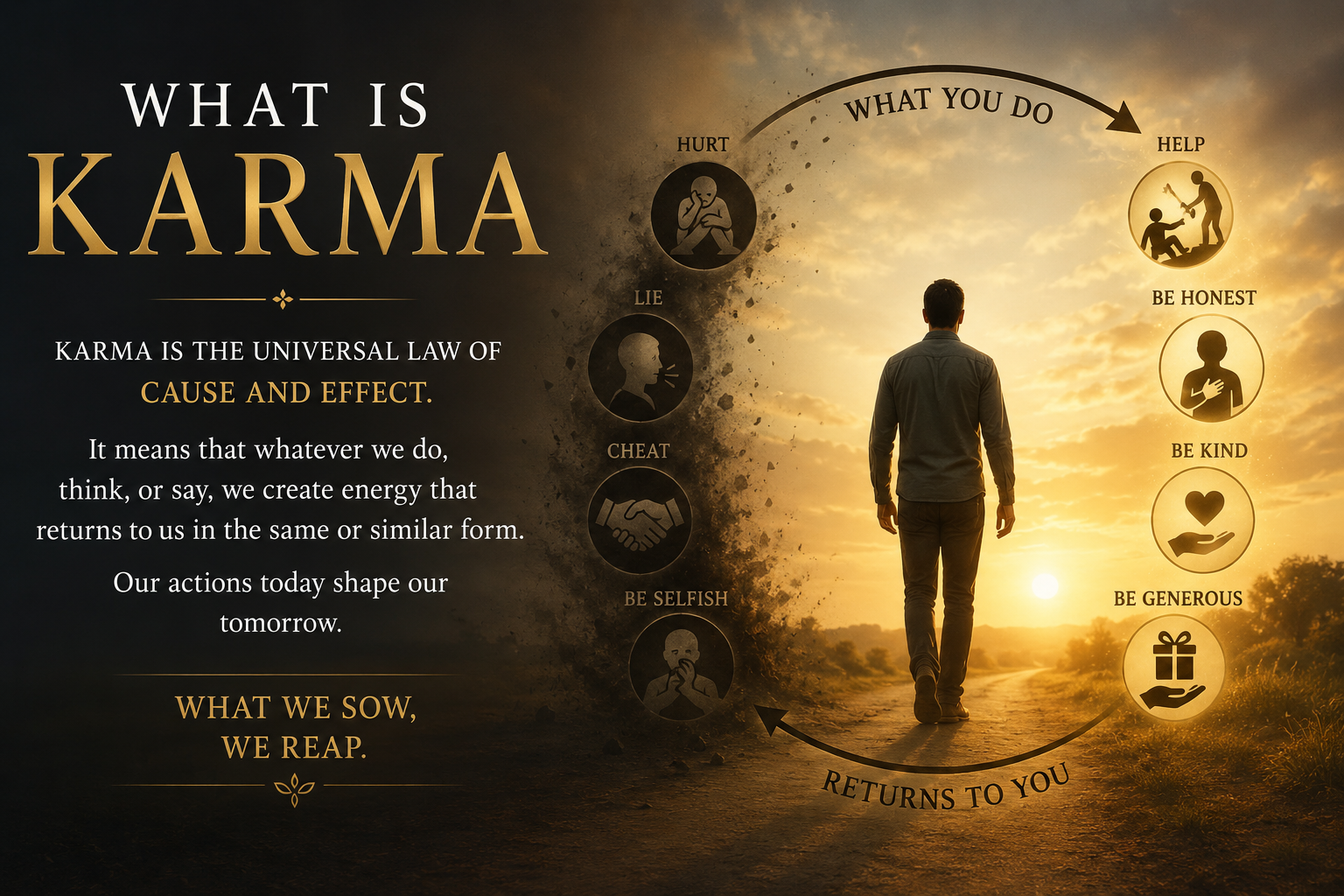
- Driven by karma (actions and their consequences)
2. Karma (The Law)
Your actions create consequences that bind you to samsara.
3. Atman (The Soul)
Your individual soul that seeks liberation.
4. Brahman (The Divine)
The universal consciousness or ultimate reality.
5. Nirvana (Enlightenment)
In Buddhism, the equivalent state of liberation.
What Moksha Ends
Moksha signifies the end of all three kinds of suffering:
- Body & mind suffering — physical pain, mental distress
- Other living beings — harm from animals, humans
- Natural/cosmic forces — earthquakes, storms, fate
It also means:
- Destruction of all aspirations, expectations, and hopes
- Loss of desires and attachments
- Renunciation by knowledge
Moksha in Simple Words
Moksha = Eternal bliss and ultimate freedom from all misery
Think of it like:
- Breaking free from a prison (the cycle of rebirth) 🏃
- Waking up from a dream (realizing your true nature) 👁
- Releasing a bird from a cage (the soul becoming free) 🕊️
Famous Definitions
“Moksha means eternal bliss; ultimate freedom (mukti) from all misery!”
Param Pujya Dada Bhagwan
“The experience of this happiness in human birth is called Moksha”
Freedom from all forms of suffering
“Moksha is the end of the death and rebirth cycle”
Moksha vs. Other Terms
Why Moksha Matters
- It’s the ultimate human goal — the highest purpose of life
- Ends suffering forever — no more pain, fear, or death
- Brings eternal peace — unshakeable bliss and harmony
- Realizes your true self — you understand who you really are
- Unites you with Divine — oneness with all existence
In Summary
Moksha is:
Liberation from the death-rebirth cycle
Freedom from all suffering
Eternal bliss and peace
Self-realization (knowing your true nature)
Oneness with Brahman/Divine
The 4th and final goal of human life
Moksha is NOT:
Just death or going to heaven
Temporary happiness
Only religious ritual
Whether you call it Moksha, Nirvana, or Kaivalya, it’s the same ultimate truth: freedom from bondage and realization of your divine nature.