
Kainchi Dham: The Sacred Ashram of Neem Karoli Baba in Uttarakhand, India
Discover the history, spiritual significance, Hanuman Temple, travel routes, and everything international visitors need to know before visiting Kainchi Dham.
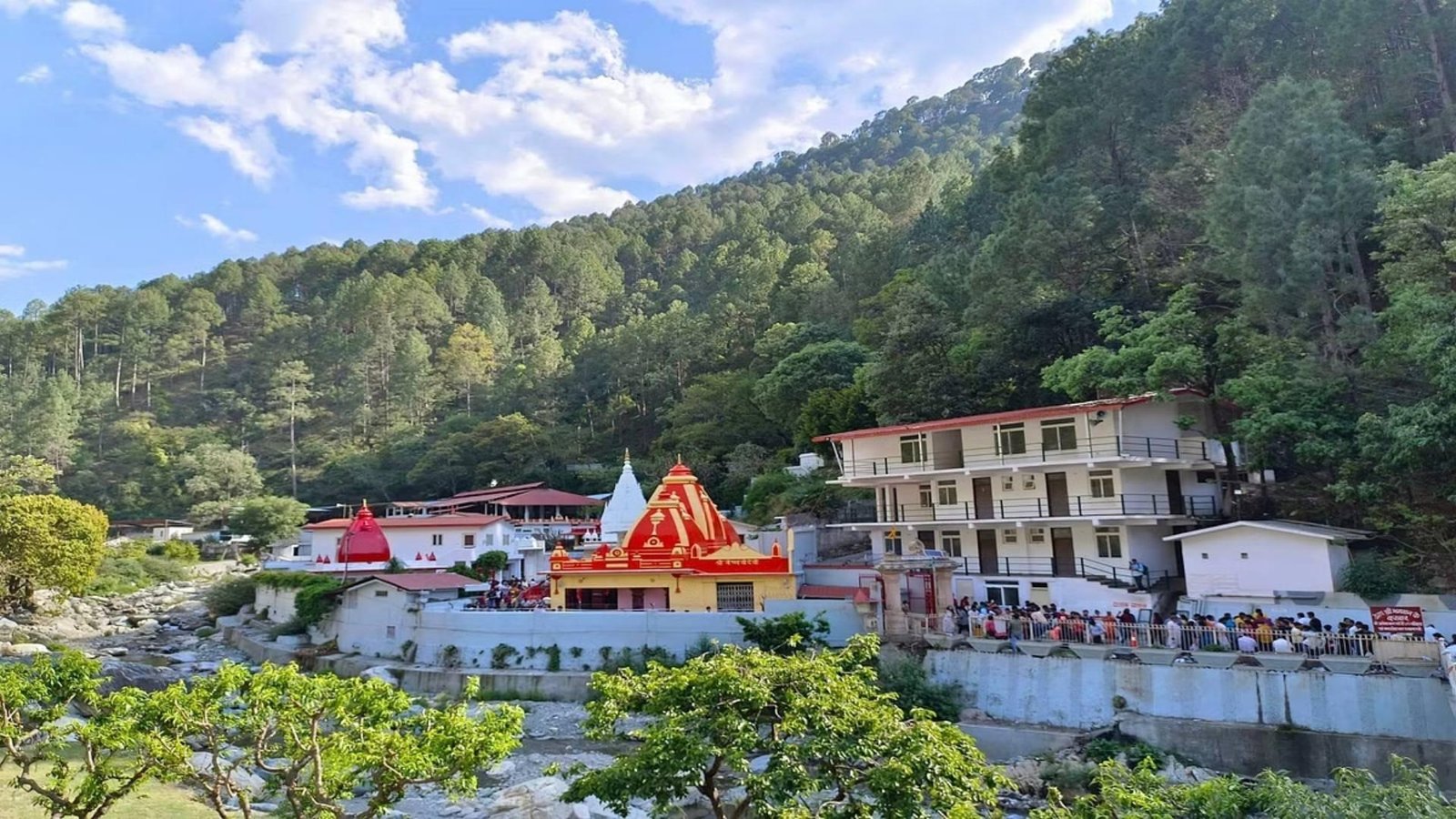
Kainchi Dham is one of the most well-known spiritual destinations in the Kumaon region of Uttarakhand, India. Surrounded by beautiful mountains and a peaceful natural landscape, this sacred ashram is closely associated with the life and teachings of Param Pujya Neem Karoli Baba, lovingly known by his followers as Maharaj Ji.
Dedicated primarily to Lord Hanuman, Kainchi Dham attracts devotees, spiritual seekers, travellers, and visitors from different parts of India and around the world. People visit this sacred place to offer prayers, learn about Maharaj Ji’s teachings, experience its peaceful surroundings, and explore an important part of India’s spiritual heritage.
Whether you are travelling from Germany, the United States, the United Kingdom, or another part of the world, this comprehensive guide will help you understand the history of Kainchi Dham, its religious importance, how to reach the ashram, and what to know before planning your visit.
What Is Kainchi Dham?
Kainchi Dham is a Hindu spiritual ashram and Hanuman temple located in the Kumaon hills of Uttarakhand, northern India. It is particularly associated with the revered Indian saint Neem Karoli Baba, whose followers regard him as a great spiritual master and devotee of Lord Hanuman.
The ashram is not simply a conventional tourist attraction. For many devotees, it is a sacred place connected with prayer, service, devotion, and the spiritual teachings of Maharaj Ji. Visitors also appreciate the natural beauty of the surrounding hills and the peaceful atmosphere of the temple complex.
The ashram became increasingly recognised internationally through the stories and experiences shared by devotees, including the American spiritual teacher Ram Dass.
Where Is Kainchi Dham Located?
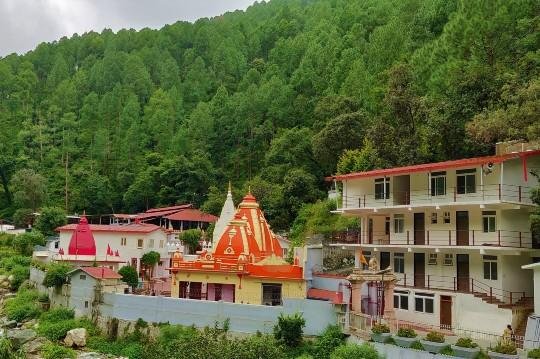
Kainchi Dham is situated on the Nainital–Almora Road in the Nainital district of Uttarakhand, India. The ashram lies in the scenic Kumaon Himalayan region, close to the town of Bhowali.
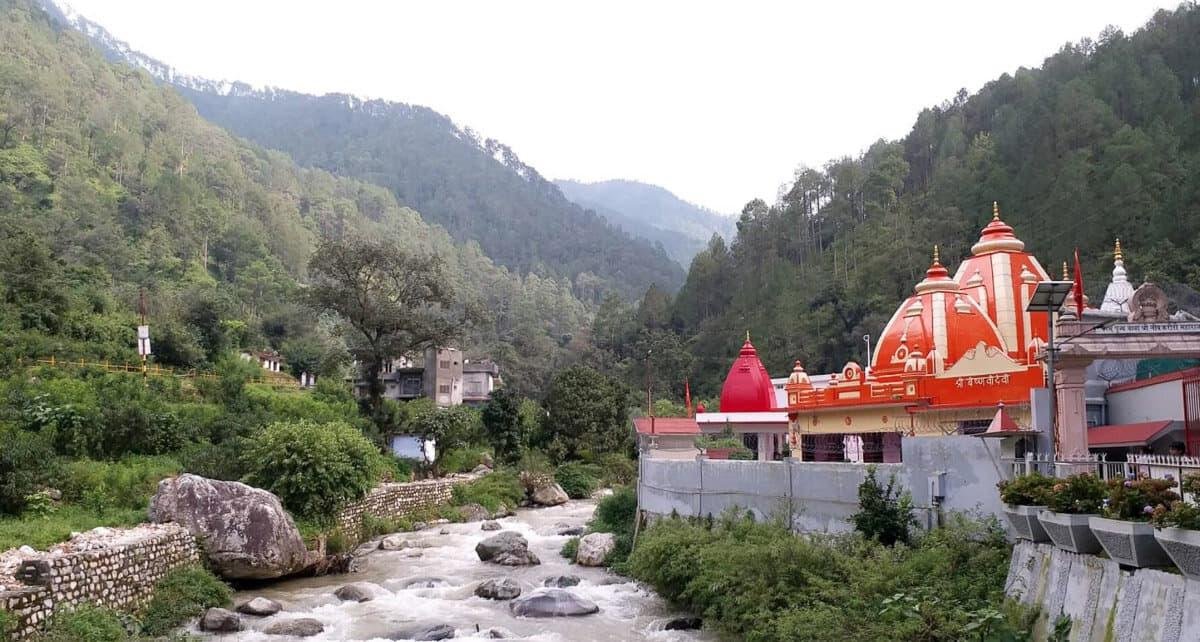
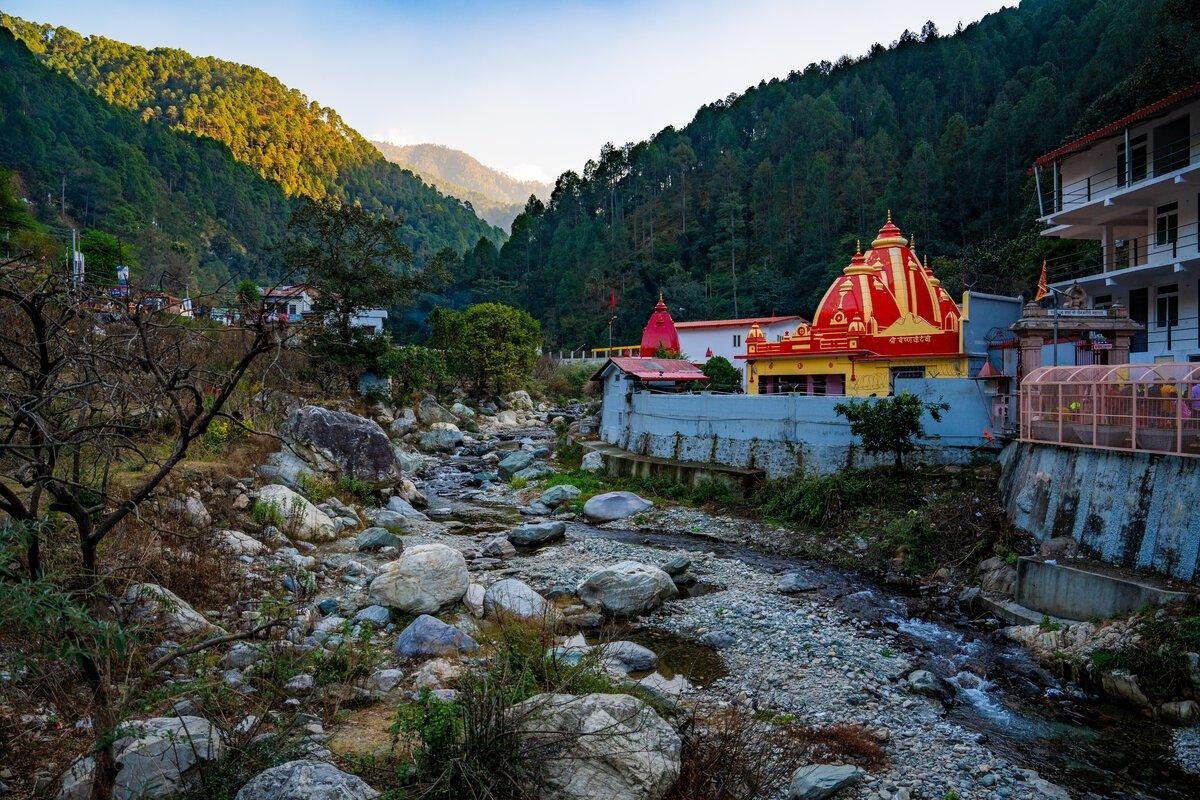
Its mountain surroundings, greenery, and nearby river landscape make it a distinctive destination for spiritual visitors and travellers exploring northern India.
Shree Kainchi Hanuman Mandir,
Post Office Kainchi, District Nainital,
Uttarakhand – 263132, India.
Open Kainchi Dham on Google Maps →
Distance from Major Nearby Locations
| Starting Location | Approximate Distance |
|---|---|
| Bhowali | 9 km |
| Nainital | 17 km |
| Kathgodam Railway Station | 43 km |
| Pantnagar Airport | 79 km |
These distances are based on information published by the Nainital district administration. Actual road distances and journey times may vary depending on the route and local conditions.
History of Kainchi Dham
The history of Kainchi Dham is closely connected with Neem Karoli Baba and his devotion to Lord Hanuman. The ashram was established in 1962 in the beautiful mountainous region of Kumaon.
Maharaj Ji envisioned developing a spiritual centre dedicated to Lord Hanuman. The location gradually became a place where devotees could gather for prayers, religious activities, and spiritual reflection.
A major milestone in the history of Kainchi Dham took place on 15 June 1964, when the idol of Lord Hanuman was consecrated through the traditional Pran Pratishtha ceremony.
This date became particularly significant for the ashram and is commemorated annually through a major religious gathering and Bhandara.
Why Is Kainchi Dham Called Kainchi?
The name Kainchi is associated with the distinctive hairpin bends of the mountain road in this region. According to the Nainital district administration, the local term refers to two sharp bends in the road. The name is therefore connected with the geography of the area.
The location itself is surrounded by hills and winding roads, making it a recognisable destination along the Nainital–Almora route.
Who Was Neem Karoli Baba?
Neem Karoli Baba, also known as Neeb Karori Baba or Maharaj Ji, was a revered Indian spiritual master and devotee of Lord Hanuman. His teachings continue to inspire people across different countries and cultures.
Unlike spiritual traditions focused on complicated philosophical explanations, many of Maharaj Ji’s teachings emphasised simple but meaningful principles: love, compassion, devotion, humility, and service to others.
His influence extended beyond India through devotees who shared their experiences and writings. One of his best-known Western devotees was Ram Dass, an American spiritual teacher and author of the book Be Here Now.
Maharaj Ji left his physical body in 1973. His followers continue to remember his life, teachings, and devotion to Lord Hanuman.
Teachings of Neem Karoli Baba
The teachings associated with Maharaj Ji are often summarised through the values of love, service, and devotion. These principles are meaningful not only within a religious context but also in everyday human relationships.
Love Everyone
Treat people with kindness, compassion, and respect, regardless of their background.
Serve Everyone
Help others whenever possible. Selfless service is an important part of spiritual life.
Remember God
Maintain faith, devotion, and remembrance of the Divine in everyday life.
Feed Everyone
Sharing food and helping those in need reflects compassion and humanity.
These teachings are among the reasons why Maharaj Ji continues to be remembered by devotees around the world.
The Hanuman Temple at Kainchi Dham
The Hanuman Temple is the central spiritual attraction within the Kainchi Dham complex. Lord Hanuman is worshipped as a symbol of devotion, courage, strength, humility, and complete surrender to Lord Rama.
Maharaj Ji was deeply devoted to Lord Hanuman. His association with Hanuman worship played an important role in the development of the ashram.
Devotees visit the temple to offer prayers, participate in worship, and seek spiritual inspiration. Visitors should respect the temple’s customs and follow the instructions of the temple administration.
Why Is Kainchi Dham Spiritually Significant?
Kainchi Dham holds a special place in the spiritual tradition associated with Neem Karoli Baba. Its significance comes from the combination of Maharaj Ji’s legacy, the worship of Lord Hanuman, and the continuing devotion of its visitors.
1. A Place Associated with Maharaj Ji
The ashram is one of the most recognised places associated with Neem Karoli Baba. Devotees visit to learn about his life and spiritual message.
2. Devotion to Lord Hanuman
Hanuman worship is central to the religious identity of the temple. Devotees often recite the Hanuman Chalisa and offer prayers according to local traditions.
3. A Tradition of Seva and Bhandara
The annual Bhandara reflects the importance of community service and sharing food with others.
4. An International Spiritual Community
People from India and several other countries visit Kainchi Dham because of their interest in Maharaj Ji’s teachings and spiritual legacy.
Why Do International Visitors Travel to Kainchi Dham?
Kainchi Dham has become an internationally recognised spiritual destination. Visitors from Europe, North America, and other regions travel to India to explore the ashram and learn more about Neem Karoli Baba.
The international interest in Maharaj Ji is also connected with the work of his devotees, particularly Ram Dass, whose writings introduced many Western readers to Indian spiritual traditions.
For international travellers, a visit to Kainchi Dham can be combined with a wider journey through Nainital, the Kumaon Himalayas, and other spiritual destinations in northern India.
Important Travel Preparation for Foreign Visitors
- Check the latest Indian visa requirements for your nationality.
- Keep your passport and approved visa documents available.
- Plan your onward journey from Delhi or Pantnagar.
- Book accommodation in advance during busy travel periods.
- Carry suitable clothing for the mountain climate.
- Respect temple traditions and local customs.
How to Reach Kainchi Dham from Germany
Germany is an important international audience to consider when planning a visit to Kainchi Dham. Travellers from Berlin, Frankfurt, Munich, Hamburg, and other German cities can reach the ashram through international flights to India.
Step 1: Fly from Germany to India
A practical option is to book an international flight from a German airport to Indira Gandhi International Airport in New Delhi. Depending on the airline and itinerary, travellers may find direct or connecting flights.
Step 2: Travel from Delhi to Kathgodam
After arriving in Delhi, travellers can continue their journey towards Uttarakhand by train or road. Kathgodam is the principal railway access point for visitors travelling to the Nainital region.
Travellers should check current train schedules, seat availability, and departure stations before making their reservations.
Step 3: Travel from Kathgodam to Kainchi Dham
From Kathgodam Railway Station, visitors can hire a taxi or use available local transport towards Bhowali and Kainchi Dham. The route passes through the scenic hills of the Kumaon region.
Alternative Route: Delhi to Kainchi Dham by Road
Visitors who prefer a private road journey can hire a car from Delhi. The route generally passes through Hapur, Moradabad, Rampur, Haldwani, and the Kumaon hill roads towards Bhowali.
Travel time depends on traffic, road conditions, weather, and stops along the way. For international visitors unfamiliar with Indian mountain roads, hiring an experienced local driver is a practical option.
Indian Visa Information for German Citizens
German citizens planning a tourism visit to India must check the applicable visa requirements before travelling. Eligible travellers may apply for an Indian e-Tourist Visa through the official Government of India portal.
The official e-Visa website explains the application process, eligible nationalities, passport requirements, fees, and permitted activities.
Apply for an Indian e-Visa – Official Government Portal →
Do not rely on unofficial websites claiming guaranteed visa approval or expedited processing. Check the latest conditions before purchasing non-refundable travel tickets.
How to Reach Kainchi Dham from the USA, UK, Canada and Australia
Travellers from the United States, United Kingdom, Canada, Australia, and other countries can generally follow a similar route to Kainchi Dham. The most convenient international gateway for many itineraries is Delhi.
| Country | Suggested International Gateway | Next Step |
|---|---|---|
| Germany | New Delhi | Kathgodam / Road |
| United States | New Delhi | Kathgodam / Road |
| United Kingdom | New Delhi | Kathgodam / Road |
| Canada | New Delhi | Kathgodam / Road |
| Australia | New Delhi | Kathgodam / Road |
Flight routes, airlines, transit requirements, and visa rules depend on the traveller’s nationality and departure city. Always check the current details with the airline and official immigration authorities.
How to Reach Kainchi Dham by Air, Train and Road
1. By Air – Pantnagar Airport
Pantnagar Airport is the nearest airport listed by the Nainital district administration. It is approximately 79 kilometres from Kainchi Dham. From the airport, visitors can arrange a taxi or another available road transfer.
Flight availability may be limited compared with major airports. Check current flight schedules before planning your trip around Pantnagar.
2. By Train – Kathgodam Railway Station
Kathgodam is the main railway station used by many visitors travelling to the Nainital region. It is approximately 43 kilometres from Kainchi Dham according to the district administration.
From the station, taxis and local road transport can take visitors towards Bhowali and the ashram.
3. By Road
Kainchi Dham is accessible by road from Nainital, Bhowali, Haldwani, and other nearby destinations in Uttarakhand. Visitors can use private vehicles, taxis, or available local transport.
Best Time to Visit Kainchi Dham
Kainchi Dham can be visited during different seasons of the year. However, the best time depends on your travel preferences, weather, and interest in religious events.
March to June
Spring and early summer offer a pleasant mountain atmosphere. June is especially significant because of the annual Bhandara.
July to August
The monsoon season brings rainfall. Landslides and road disruptions are possible, so check local weather advisories.
September to November
Post-monsoon months can offer comfortable conditions for exploring the Kumaon region. Check local weather before departure.
December to February
Winter can be cold in the hills. Pack warm clothing and confirm road conditions.
15 June Bhandara at Kainchi Dham
One of the most important annual events at Kainchi Dham is the Bhandara held on 15 June. The event commemorates the consecration of the Hanuman idol on 15 June 1964.
Devotees from different parts of India and abroad gather at the ashram for prayers, religious observances, and community food service. The Bhandara reflects the values of sharing, humility, devotion, and selfless service.
The event attracts large crowds, so visitors should plan their travel carefully. Traffic arrangements and access restrictions may be introduced by local authorities. Check official announcements before travelling.
Accommodation and Visitor Guidelines
Visitors planning to stay near Kainchi Dham can explore accommodation options in nearby areas such as Bhowali and Nainital. Hotels, guesthouses, and homestays may be available depending on the season.
Can You Stay Inside Kainchi Dham Ashram?
Do not assume that accommodation is available for every visitor. Availability and admission arrangements must be confirmed directly through the authorised temple administration.
For official information, visit: Shree Kainchi Hanuman Mandir Trust →
Important: Beware of Fake Booking and Donation Websites
The official Kainchi Hanuman Mandir Trust states that it is the authorised body for temple-related communication. It warns visitors against unauthorised agents offering permits, stays, VIP darshan, or donation arrangements.
Before transferring money or sharing personal information, verify everything through the official Trust website.
Basic Visitor Etiquette
- Dress respectfully when visiting the temple.
- Remove footwear in designated areas.
- Maintain silence and respect worshippers.
- Follow photography restrictions inside the temple.
- Keep the premises clean.
- Follow the instructions of temple staff.
Places to Visit Near Kainchi Dham
A visit to Kainchi Dham can also be combined with a journey through some of the beautiful destinations in the Kumaon region.
1. Nainital
Nainital is a popular hill station known for Naini Lake, scenic viewpoints, and its mountain atmosphere. It is approximately 17 kilometres from Kainchi Dham.
2. Bhowali
Bhowali is a nearby hill town and an important road connection for visitors travelling to Kainchi Dham and other parts of Kumaon.
3. Bhimtal
Bhimtal is known for its beautiful lake and peaceful surroundings. It is a popular destination for travellers exploring the Nainital region.
4. Mukteshwar
Mukteshwar is known for its Himalayan views, natural beauty, and peaceful mountain setting. It can be included in a wider Kumaon itinerary.
Essential Travel Tips for International Visitors
- Arrange your Indian visa before departure.
- Keep digital and printed copies of important travel documents.
- Book international and domestic transport in advance.
- Allow sufficient time for mountain road journeys.
- Carry suitable clothing for changing weather conditions.
- Keep some Indian currency for local expenses.
- Use authorised accommodation and transport providers.
- Check local weather and road advisories.
- Respect temple traditions and the privacy of other visitors.
- Check the official Trust website for current visitor information.
Frequently Asked Questions About Kainchi Dham
1. Where is Kainchi Dham located?
Kainchi Dham is located in the Nainital district of Uttarakhand, India, on the Nainital–Almora Road near Bhowali.
2. Who established Kainchi Dham?
Kainchi Dham was established by the revered Indian saint Neem Karoli Baba in 1962.
3. Why is Kainchi Dham famous?
It is famous for its association with Neem Karoli Baba, the Hanuman Temple, its spiritual heritage, and the annual 15 June Bhandara.
4. How far is Kainchi Dham from Nainital?
Kainchi Dham is approximately 17 kilometres from Nainital by road.
5. What is the nearest railway station to Kainchi Dham?
Kathgodam Railway Station is a major rail access point for visitors travelling to Kainchi Dham. It is approximately 43 kilometres away according to the Nainital district administration.
6. What is the nearest airport to Kainchi Dham?
Pantnagar Airport is listed as the nearest airport by the Nainital district administration, approximately 79 kilometres away.
7. How can I reach Kainchi Dham from Germany?
German travellers can fly to New Delhi, continue by train or road to Kathgodam, and then take a taxi towards Kainchi Dham. They should check Indian visa requirements before travelling.
8. Can foreign tourists visit Kainchi Dham?
Yes. International visitors can travel to Kainchi Dham subject to Indian immigration rules and the temple’s visitor guidelines.
9. When is the Kainchi Dham Bhandara held?
The annual Bhandara is held on 15 June, commemorating the Hanuman idol consecration in 1964. Visitors should check official announcements before attending.
10. Can visitors stay at Kainchi Dham Ashram?
Accommodation should not be assumed to be available. Visitors should confirm current arrangements directly with the authorised Trust.
11. Is there an entry fee for Kainchi Dham?
Check the official Trust’s current visitor information before travelling. Do not pay unofficial agents for VIP entry or special darshan arrangements.
12. What is the best time to visit Kainchi Dham?
March to June and September to November are popular periods for exploring the region. Weather and road conditions should always be checked before travelling.
Plan Your Spiritual Journey to Kainchi Dham
Explore the sacred ashram of Neem Karoli Baba, experience the devotion to Lord Hanuman, and discover the spiritual beauty of Uttarakhand, India.
Find Kainchi Dham on Google Maps