25 Powerful Morning Mantras in Sanskrit with Meaning for Daily Prayer
Starting your day with a morning mantra is a beautiful way to begin with prayer, gratitude and devotion. In Hindu traditions, different mantras and Sanskrit prayers are associated with Lord Shiva, Lord Ganesha, Goddess Lakshmi, Goddess Saraswati, Lord Vishnu and Lord Surya.
If you are looking for powerful morning mantras in Sanskrit, this guide explains 25 traditional mantras with their Hindi meanings and spiritual significance. Choose a prayer according to your faith, family tradition and personal devotion.
What Is a Morning Mantra?
A mantra is a sacred word, sound or collection of Sanskrit words recited during prayer, meditation or spiritual practice. In Hinduism, mantras are traditionally used to express devotion, remember the divine and focus the mind.
Morning prayers are often recited after waking up, during bathing, at sunrise or before beginning daily activities.
Why Do People Chant Mantras in the Morning?
Many Hindu families follow the tradition of beginning the day with prayer. Morning chanting can become a meaningful spiritual routine.
- Peace of mind: Prayer provides an opportunity for quiet reflection.
- Devotion: Mantras help devotees remember their chosen deity.
- Gratitude: Morning prayers encourage thankfulness for a new day.
- Concentration: Repetition can help create a focused meditation practice.
- Positive intentions: Prayer can help people begin daily activities with calmness.
25 Powerful Morning Mantras in Sanskrit with Meaning
1. Gayatri Mantra
The Gayatri Mantra is one of the most widely known Vedic prayers. It is traditionally associated with Savitr and is a prayer for illumination of the intellect.
Sanskrit:
ॐ भूर्भुवः स्वः।
तत्सवितुर्वरेण्यं भर्गो देवस्य धीमहि।
धियो यो नः प्रचोदयात्॥
English Transliteration:
Om Bhur Bhuvah Svah, Tat Savitur Varenyam, Bhargo Devasya Dhimahi, Dhiyo Yo Nah Prachodayat.
Hindi Meaning:
हम उस परम दिव्य प्रकाश का ध्यान करते हैं, जो हमारी बुद्धि को सही दिशा में प्रेरित करे।
Significance: Traditionally recited during morning prayers and Sandhyavandanam.
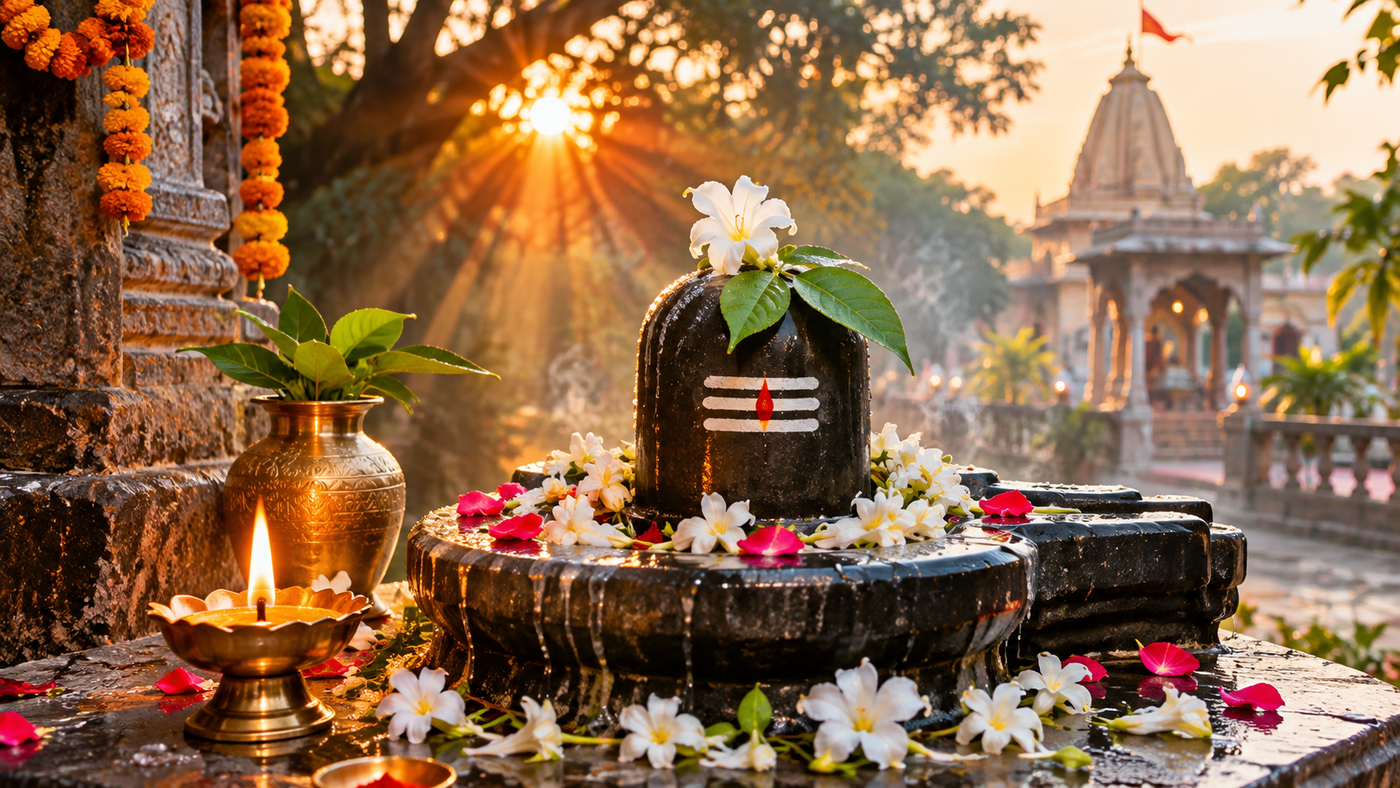
2. Om Namah Shivaya
This is a well-known devotional mantra dedicated to Lord Shiva.
Sanskrit:
ॐ नमः शिवाय॥
English: Om Namah Shivaya.
Hindi Meaning: मैं भगवान शिव को नमन करता हूं।
Significance: Devotees chant this mantra as an expression of devotion, surrender and remembrance of Lord Shiva.
3. Mahamrityunjaya Mantra
The Mahamrityunjaya Mantra is a Vedic prayer dedicated to Lord Shiva, also known as Tryambaka.
Sanskrit:
ॐ त्र्यम्बकं यजामहे सुगन्धिं पुष्टिवर्धनम्।
उर्वारुकमिव बन्धनान्मृत्योर्मुक्षीय मामृतात्॥
English:
Om Tryambakam Yajamahe Sugandhim Pushtivardhanam, Urvarukamiva Bandhanan Mrityor Mukshiya Maamritat.
Hindi Meaning:
हम तीन नेत्रों वाले भगवान शिव की उपासना करते हैं, जो सभी का पोषण करते हैं। उनसे प्रार्थना है कि वे हमें मृत्यु के बंधन से उसी प्रकार मुक्त करें, जैसे पका हुआ फल बेल के बंधन से अलग हो जाता है।
Significance: Traditionally recited as a prayer for well-being, protection and spiritual strength.
4. Ganesh Mantra
Lord Ganesha is worshipped before beginning many important activities.
Sanskrit:
ॐ गं गणपतये नमः॥
English: Om Gam Ganapataye Namah.
Hindi Meaning: मैं भगवान गणेश को श्रद्धापूर्वक नमन करता हूं।
Significance: Devotees chant this mantra while praying for wisdom and the removal of obstacles.
5. Vakratunda Mahakaya Mantra
This is a popular prayer to Lord Ganesha.
Sanskrit:
वक्रतुण्ड महाकाय सूर्यकोटि समप्रभ।
निर्विघ्नं कुरु मे देव सर्वकार्येषु सर्वदा॥
English:
Vakratunda Mahakaya Suryakoti Samaprabha, Nirvighnam Kuru Me Deva Sarvakaryeshu Sarvada.
Hindi Meaning:
हे विशाल शरीर और घुमावदार सूंड वाले भगवान गणेश, आप करोड़ों सूर्यों के समान तेजस्वी हैं। मेरे सभी कार्यों को हमेशा विघ्नों से मुक्त करें।
Significance: Often recited before starting a new task, journey or auspicious activity.
6. Shuklambaradharam Mantra
This traditional prayer is commonly recited at the beginning of worship.
Sanskrit:
शुक्लाम्बरधरं विष्णुं शशिवर्णं चतुर्भुजम्।
प्रसन्नवदनं ध्यायेत् सर्वविघ्नोपशान्तये॥
English:
Shuklambaradharam Vishnum Shashivarnam Chaturbhujam, Prasannavadanam Dhyayet Sarvavighnopashantaye.
Hindi Meaning:
श्वेत वस्त्र धारण करने वाले, चंद्रमा के समान वर्ण और चार भुजाओं वाले प्रसन्न मुख भगवान का ध्यान करें, ताकि सभी विघ्न शांत हों।
Significance: A traditional invocation used before religious activities.
7. Om Namo Bhagavate Vasudevaya
This is a devotional mantra dedicated to Lord Vishnu or Vasudeva.
Sanskrit:
ॐ नमो भगवते वासुदेवाय॥
English: Om Namo Bhagavate Vasudevaya.
Hindi Meaning: मैं भगवान वासुदेव को श्रद्धापूर्वक नमन करता हूं।
Significance: Devotees chant this mantra for devotion, remembrance and spiritual contemplation.
8. Om Namo Narayanaya
This mantra is dedicated to Lord Narayana.
Sanskrit:
ॐ नमो नारायणाय॥
English: Om Namo Narayanaya.
Hindi Meaning: मैं भगवान नारायण को नमन करता हूं।
Significance: Traditionally used in Vishnu worship and daily devotional practice.
9. Hare Krishna Mahamantra
The Hare Krishna Mahamantra is a devotional chant associated with Lord Krishna and Lord Rama.
Sanskrit:
हरे कृष्ण हरे कृष्ण कृष्ण कृष्ण हरे हरे।
हरे राम हरे राम राम राम हरे हरे॥
English:
Hare Krishna Hare Krishna, Krishna Krishna Hare Hare, Hare Rama Hare Rama, Rama Rama Hare Hare.
Hindi Meaning:
यह भगवान कृष्ण और भगवान राम के प्रति भक्ति एवं स्मरण का महामंत्र है।
Significance: Devotees chant this mantra during meditation, kirtan and daily worship.
10. Shri Ram Mantra
A simple devotional mantra dedicated to Lord Rama.
Sanskrit:
श्री राम जय राम जय जय राम॥
English: Shri Ram Jai Ram Jai Jai Ram.
Hindi Meaning: भगवान श्रीराम की जय हो। उनकी कृपा और आदर्शों का स्मरण करता हूं।
Significance: Often chanted as a simple expression of devotion to Lord Rama.
11. Lakshmi Mantra
Goddess Lakshmi is worshipped as the deity associated with prosperity and abundance.
Sanskrit:
ॐ श्रीं महालक्ष्म्यै नमः॥
English: Om Shreem Mahalakshmyai Namah.
Hindi Meaning: मैं माता महालक्ष्मी को श्रद्धापूर्वक नमन करता हूं।
Significance: Traditionally recited during Goddess Lakshmi worship, particularly on Fridays and during Diwali.
12. Saraswati Mantra
Goddess Saraswati is worshipped as the deity of knowledge, learning, music and wisdom.
Sanskrit:
ॐ ऐं सरस्वत्यै नमः॥
English: Om Aim Saraswatyai Namah.
Hindi Meaning: मैं माता सरस्वती को नमन करता हूं और ज्ञान तथा बुद्धि की प्रार्थना करता हूं।
Significance: Students and devotees often recite this mantra during prayers for learning and knowledge.
13. Saraswati Vandana
This traditional devotional verse praises Goddess Saraswati.
Sanskrit:
या कुन्देन्दुतुषारहारधवला या शुभ्रवस्त्रावृता।
या वीणावरदण्डमण्डितकरा या श्वेतपद्मासना॥
English:
Ya Kundendu Tusharahara Dhavala, Ya Shubhravastravrita, Ya Veena Varadanda Manditakara, Ya Shvetapadmasana.
Hindi Meaning:
जो कुंद के फूल, चंद्रमा और बर्फ के समान श्वेत हैं, जो सफेद वस्त्र धारण करती हैं, जिनके हाथों में वीणा सुशोभित है और जो श्वेत कमल पर विराजमान हैं, उन माता सरस्वती को नमन है।
Significance: Commonly recited during Saraswati Puja and educational activities.
14. Durga Mantra – Sarva Mangala Mangalye
Sanskrit:
सर्वमङ्गलमाङ्गल्ये शिवे सर्वार्थसाधिके।
शरण्ये त्र्यम्बके गौरि नारायणि नमोऽस्तु ते॥
English:
Sarva Mangala Mangalye Shive Sarvartha Sadhike, Sharanye Tryambake Gauri Narayani Namostute.
Hindi Meaning:
हे माता नारायणी, आप सभी मंगलों में श्रेष्ठ और सभी शुभ कार्यों को पूर्ण करने वाली हैं। हे माता गौरी, आपको मेरा नमन है।
Significance: Recited by devotees as a prayer to Goddess Durga for divine grace and protection.
15. Durga Mantra
Sanskrit:
ॐ दुं दुर्गायै नमः॥
English: Om Dum Durgayai Namah.
Hindi Meaning: मैं माता दुर्गा को नमन करता हूं।
Significance: Traditionally used during Durga worship and daily devotional practice.
16. Surya Mantra – Om Ghrini Suryaya Namah
Lord Surya is worshipped as the deity of light and energy.
Sanskrit:
ॐ घृणिः सूर्याय नमः॥
English: Om Ghrini Suryaya Namah.
Hindi Meaning: मैं तेज और प्रकाश के स्वरूप भगवान सूर्य को नमन करता हूं।
Significance: Traditionally recited during morning prayers and Surya worship.
17. Surya Namaskar Mantra
Sanskrit:
ॐ सूर्याय नमः॥
English: Om Suryaya Namah.
Hindi Meaning: मैं भगवान सूर्य को नमन करता हूं।
Significance: Can be recited during morning Surya worship and as part of a devotional routine.
18. Hanuman Mantra
Lord Hanuman is worshipped for devotion, courage and strength.
Sanskrit:
ॐ हनुमते नमः॥
English: Om Hanumate Namah.
Hindi Meaning: मैं भगवान हनुमान को नमन करता हूं।
Significance: Devotees chant this mantra as an expression of faith and devotion to Lord Hanuman.
19. Shani Dev Mantra
Sanskrit:
ॐ शं शनैश्चराय नमः॥
English: Om Sham Shanaishcharaya Namah.
Hindi Meaning: मैं शनिदेव को नमन करता हूं।
Significance: Traditionally recited during Shani Dev worship, especially on Saturdays.
20. Dhanvantari Mantra
Lord Dhanvantari is traditionally worshipped as the divine physician in Hindu tradition.
Sanskrit:
ॐ नमो भगवते धन्वन्तरये नमः॥
English: Om Namo Bhagavate Dhanvantaraye Namah.
Hindi Meaning: मैं भगवान धन्वंतरि को श्रद्धापूर्वक नमन करता हूं।
Significance: Devotees recite prayers to Lord Dhanvantari while seeking divine blessings for well-being. This is a devotional practice, not a substitute for medical treatment.
21. Asato Ma Sadgamaya
This famous Upanishadic prayer expresses the wish to move from ignorance towards truth and wisdom.
Sanskrit:
असतो मा सद्गमय।
तमसो मा ज्योतिर्गमय।
मृत्योर्मा अमृतं गमय॥
English:
Asato Ma Sadgamaya, Tamaso Ma Jyotirgamaya, Mrityor Ma Amritam Gamaya.
Hindi Meaning:
हे परमात्मा, मुझे असत्य से सत्य की ओर, अंधकार से प्रकाश की ओर और मृत्यु से अमरत्व की ओर ले चलें।
Significance: A traditional prayer for wisdom, truth and spiritual understanding.
Source: Brihadaranyaka Upanishad 1.3.28.
22. Om Dyauh Shantih – Shanti Mantra
Sanskrit:
ॐ द्यौः शान्तिरन्तरिक्षं शान्तिः।
पृथिवी शान्तिरापः शान्तिरोषधयः शान्तिः॥
वनस्पतयः शान्तिर्विश्वेदेवाः शान्तिर्ब्रह्म शान्तिः।
सर्वं शान्तिः शान्तिरेव शान्तिः सा मा शान्तिरेधि॥
ॐ शान्तिः शान्तिः शान्तिः॥
English:
Om Dyauh Shantir Antariksham Shantih, Prithivi Shantir Apah Shantir Oshadhayah Shantih.
Hindi Meaning:
आकाश, अंतरिक्ष, पृथ्वी, जल, औषधियों, वनस्पतियों और समस्त सृष्टि में शांति बनी रहे। हमारे जीवन में भी शांति स्थापित हो।
Significance: Traditionally recited as a prayer for universal peace.
23. Purnamadah Purnamidam
Sanskrit:
ॐ पूर्णमदः पूर्णमिदं पूर्णात् पूर्णमुदच्यते।
पूर्णस्य पूर्णमादाय पूर्णमेवावशिष्यते॥
ॐ शान्तिः शान्तिः शान्तिः॥
English:
Om Purnamadah Purnamidam, Purnat Purnamudachyate, Purnasya Purnamadaya Purnamevavashishyate.
Hindi Meaning:
वह परमात्मा पूर्ण है और यह संपूर्ण जगत भी उसी पूर्णता से उत्पन्न हुआ है। पूर्ण से पूर्ण निकाल लेने पर भी पूर्ण ही शेष रहता है।
Significance: Traditionally chanted as a prayer reflecting on the completeness of the divine.
24. Karagre Vasate Lakshmi
This is a traditional morning shloka recited by many people after waking up.
Sanskrit:
कराग्रे वसते लक्ष्मीः करमध्ये सरस्वती।
करमूले तु गोविन्दः प्रभाते करदर्शनम्॥
English:
Karagre Vasate Lakshmih, Karamadhye Saraswati, Karamule Tu Govindah, Prabhate Karadarshanam.
Hindi Meaning:
हाथों के अग्रभाग में माता लक्ष्मी, मध्य भाग में माता सरस्वती और मूल भाग में भगवान गोविंद का निवास माना गया है। इसलिए सुबह उठकर अपने हाथों के दर्शन किए जाते हैं।
Significance: Traditionally recited immediately after waking up as a prayer for a meaningful and auspicious day.
25. Samudra Vasane Devi
This traditional shloka is recited while asking forgiveness from Mother Earth before stepping on the ground.
Sanskrit:
समुद्रवसने देवि पर्वतस्तनमण्डले।
विष्णुपत्नि नमस्तुभ्यं पादस्पर्शं क्षमस्व मे॥
English:
Samudra Vasane Devi Parvata Stana Mandale, Vishnupatni Namastubhyam Pada Sparsham Kshamasva Me.
Hindi Meaning:
हे समुद्र रूपी वस्त्र धारण करने वाली और पर्वत रूपी स्तनों वाली पृथ्वी माता, आपको मेरा नमन है। आपके ऊपर पैर रखने के लिए मुझे क्षमा करें।
Significance: Traditionally recited before placing one’s feet on the ground in the morning.
Which Morning Mantra Is Best for Daily Prayer?
There is no single morning mantra that is compulsory for everyone. Different mantras are associated with different deities and spiritual traditions.
| Purpose of Prayer | Suggested Mantra |
|---|---|
| Daily devotion | Om Namah Shivaya |
| Wisdom and knowledge | Gayatri Mantra |
| Lord Ganesha worship | Om Gam Ganapataye Namah |
| Peace and reflection | Om Shanti Shanti Shanti |
| Goddess Lakshmi worship | Om Shreem Mahalakshmyai Namah |
| Lord Vishnu worship | Om Namo Narayanaya |
| Morning prayer after waking | Karagre Vasate Lakshmi |
| Prayer to Lord Surya | Om Ghrini Suryaya Namah |
These are devotional associations, not guarantees of wealth, health or success.
How to Chant Morning Mantras?
If you want to develop a regular morning prayer routine, you can follow these simple steps:
- Wake up and take a few moments for yourself.
- Maintain personal cleanliness before your regular worship.
- Sit comfortably in a quiet and clean place.
- Choose a mantra according to your faith and tradition.
- Recite it slowly and pay attention to pronunciation.
- Spend a few moments in silent prayer or meditation.
- Begin your daily activities with gratitude and positive intentions.
There is no universal compulsory number of repetitions for every mantra. Follow your family tradition or the guidance of a knowledgeable teacher.
Frequently Asked Questions About Morning Mantras
1. Which mantra is best to chant early in the morning?
Om Namah Shivaya, the Gayatri Mantra and Om Gam Ganapataye Namah are popular choices for morning prayers. You can choose one according to your devotion.
2. Which Sanskrit mantra is suitable for daily prayer?
Om Namah Shivaya is a short and widely recited devotional mantra. Om Namo Narayanaya is another popular choice.
3. Can beginners chant Om Namah Shivaya?
Yes. Om Namah Shivaya is a commonly recited devotional mantra. Beginners can chant it with sincerity and attention.
4. How many times should a morning mantra be chanted?
There is no fixed universal rule. Some devotees recite a mantra 11, 21 or 108 times as part of their personal practice, while others simply recite it once or for a few minutes.
5. What is the first mantra to chant after waking up?
Karagre Vasate Lakshmi is a traditional morning shloka recited after waking up. It remembers Goddess Lakshmi, Goddess Saraswati and Lord Govinda.
6. Can women chant morning mantras?
Women can participate in daily devotional prayer and chant many commonly used mantras. Specific ritual practices may differ according to family and religious traditions.
7. Is it necessary to take a bath before chanting a mantra?
Practices differ by family tradition and type of worship. Many people take a bath before formal puja, while a simple prayer after waking up can also be part of a daily devotional routine.
8. Can morning mantras be chanted silently?
Yes. Many devotional and meditation practices include silent mental repetition. Follow the method appropriate to your tradition.
Conclusion
Morning mantras are an important part of daily devotional life for many Hindu families. Whether you choose the Gayatri Mantra, Om Namah Shivaya, the Ganesh Mantra or Karagre Vasate Lakshmi, the purpose is to begin the day with prayer, gratitude and remembrance of the divine.
You do not need to recite all 25 mantras every morning. Choose one or two that suit your faith and make them a meaningful part of your daily routine.
May your mornings begin with peace, devotion and positive thoughts.
Om Shanti Shanti Shanti.
References and Further Reading
Note: Sanskrit spellings, pronunciation and recitation practices may vary slightly across regional and religious traditions. The meanings given here are simple explanations rather than word-for-word translations of every verse.