Diwali 2026: Date, Lakshmi Puja Vidhi, Significance, History and Celebration Guide
Diwali, also known as Deepawali or the Festival of Lights, is one of the most cherished festivals celebrated across India and by Indian communities around the world. The festival represents the victory of light over darkness, knowledge over ignorance, and good over evil. Homes glow with traditional diyas, colourful rangoli decorates doorways, families exchange sweets, and devotees worship Goddess Lakshmi and Lord Ganesha for prosperity, wisdom, and well-being.
Diwali is more than a celebration of lights. It brings families together, renews spiritual faith, and encourages people to welcome positivity into their homes and lives.
When Is Diwali in 2026?
Diwali in 2026 falls on Sunday, November 8, 2026, according to widely published Indian festival calendars. The main celebration is associated with Kartik Amavasya, the new moon day in the Hindu lunar calendar.
The exact Lakshmi Puja muhurat depends on the location and the applicable Panchang. Devotees should check a reliable local Panchang for the correct timings before performing the rituals.
Why Is Diwali Celebrated?
Diwali has several religious and cultural meanings, and its stories differ across regions and traditions.
1. Lord Rama’s Return to Ayodhya
One of the best-known stories connects Diwali with the return of Lord Rama, Goddess Sita, and Lakshmana to Ayodhya after fourteen years of exile and the defeat of Ravana. According to the traditional account, the people of Ayodhya welcomed them by lighting rows of lamps.
This story gives Diwali its enduring message: righteousness, courage, and truth ultimately triumph over evil.
2. Worship of Goddess Lakshmi
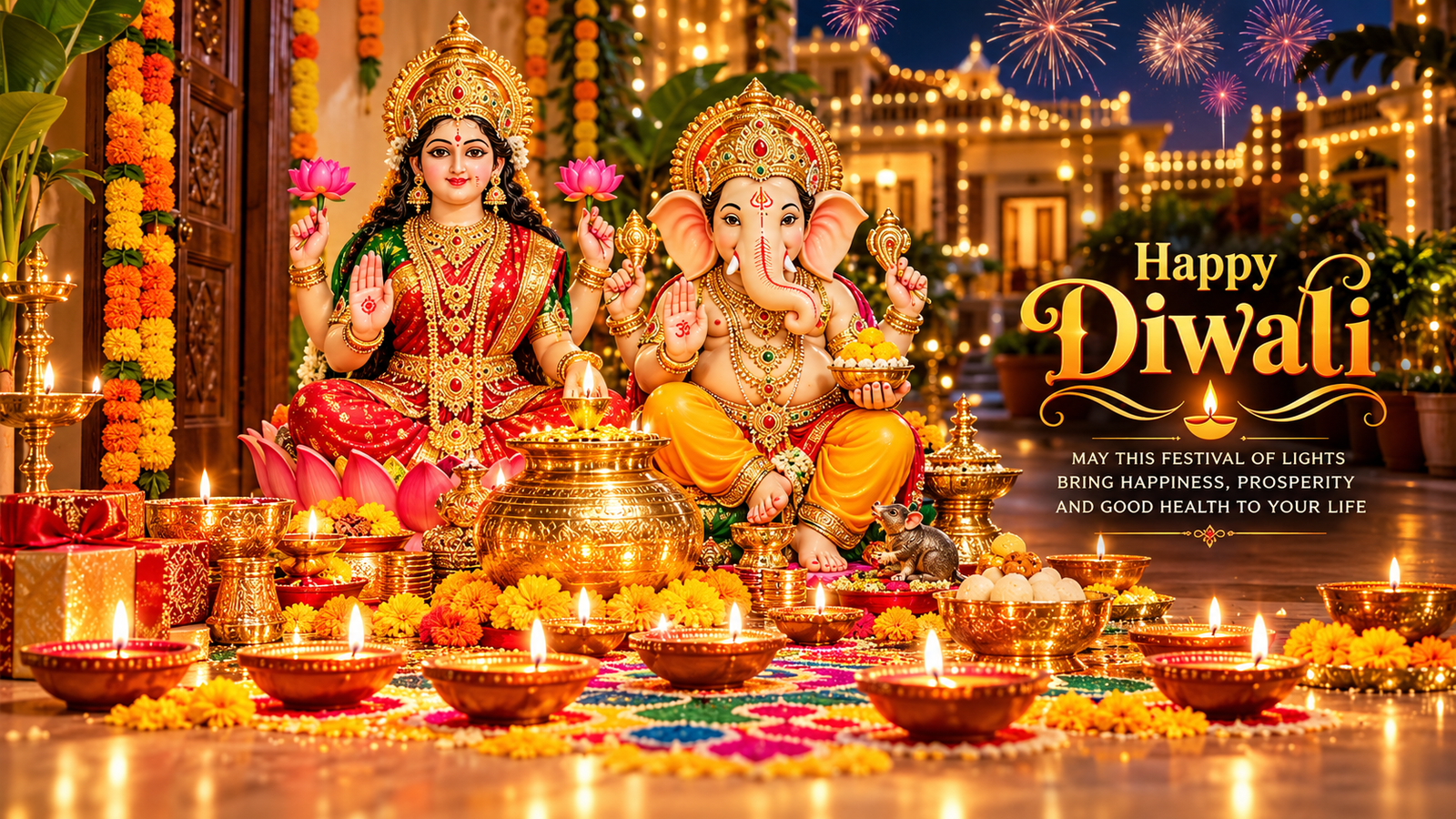
Goddess Lakshmi is worshipped during Diwali as the goddess of wealth, abundance, and prosperity. Many families clean and decorate their homes, light diyas, prepare offerings, and pray for peace and responsible prosperity in the coming year.
3. The Victory of Light Over Darkness
The lighting of diyas carries a deeper spiritual meaning. It reminds people to overcome ignorance with knowledge, anger with compassion, and negativity with positive action. For many devotees, Diwali is an opportunity to reflect on their actions and begin again with hope.
4. Regional Traditions Across India
Diwali is celebrated in different ways throughout India. In many parts of North India, the festival is closely associated with Lord Rama and Lakshmi Puja. In parts of western India, it marks an important time for new beginnings and business traditions. In several eastern regions, Kali Puja is observed around the same period. Jain communities associate the day with Lord Mahavira’s nirvana, while Sikh communities commemorate important historical events connected with Bandi Chhor Divas.
These traditions make Diwali a festival with a rich and diverse cultural heritage.
Lakshmi Puja Vidhi: How to Perform Diwali Puja at Home
Families follow different customs according to their traditions. A simple Lakshmi-Ganesha Puja can be performed with the following steps.
Step 1: Clean and Prepare the Puja Area
Clean the home and arrange a neat place for worship. Place a clean cloth on a small platform and arrange the idols or pictures of Goddess Lakshmi and Lord Ganesha respectfully.
Step 2: Decorate With Diyas and Rangoli
Decorate the entrance and puja area with rangoli, flowers, and traditional lamps. Light diyas safely and keep them away from curtains, paper, and other flammable materials.
Step 3: Arrange the Puja Samagri
Common items include flowers, kumkum, rice grains, incense, a diya, sweets, fruits, and water. The exact list may vary by family and regional custom.
Step 4: Worship Lord Ganesha
Begin with prayers to Lord Ganesha, who is traditionally worshipped for wisdom and the removal of obstacles. Offer flowers and pray for clarity, peace, and success in your work.
Step 5: Worship Goddess Lakshmi
Offer flowers, sweets, and other customary offerings to Goddess Lakshmi. Recite your family’s traditional prayers or Lakshmi mantras with devotion.
Step 6: Perform Aarti
Perform Lakshmi-Ganesha Aarti and pray for the well-being of your family and community. After the puja, distribute prasad among family members.
Important: Puja timings and specific rituals vary by location and tradition. Consult a trusted local Panchang or knowledgeable priest for guidance specific to your home.
Five Days of Diwali Celebrations
The traditional Diwali season includes several connected festivals. Their observance and dates can vary across regional calendars.
Dhanteras: Many families clean their homes and purchase items considered auspicious, such as utensils or precious metals. Dhanvantari is also associated with this day.
Naraka Chaturdashi (Choti Diwali): In many traditions, this day symbolises the defeat of evil and the removal of negativity.
Diwali or Deepawali: Families light lamps, perform Lakshmi-Ganesha Puja, exchange gifts, share festive meals, and spend time together.
Govardhan Puja: This festival is associated with Lord Krishna and the Govardhan hill. In many communities, devotees prepare Annakut offerings and worship according to local customs.
Bhai Dooj: This day celebrates the bond between brothers and sisters through prayers, family gatherings, and traditional rituals.
How to Celebrate an Eco-Friendly Diwali
A meaningful Diwali does not require excessive spending or waste. Small, thoughtful choices can make the celebration safer and more sustainable.
- Choose reusable decorations and traditional clay diyas where practical.
- Avoid excessive firecrackers and follow local restrictions.
- Keep children and pets away from flames and fireworks.
- Share homemade sweets or thoughtful gifts with neighbours.
- Donate food, clothes, or essentials to people who need support.
- Keep public spaces clean and dispose of festive waste responsibly.
These simple steps help preserve the spirit of Diwali while caring for people, animals, and the environment.
Spiritual Significance of Lighting Diyas
A diya is one of the most recognisable symbols of Diwali. Its small flame represents hope, awareness, and the possibility of positive change.
Lighting a lamp can also serve as a moment of reflection: What habits should we leave behind? How can we treat others with greater kindness? What positive change can we bring to our families and communities?
The spiritual beauty of Diwali lies not only in the lights outside our homes but also in the goodness we cultivate within ourselves.
Frequently Asked Questions About Diwali
When is Diwali in 2026?
Diwali is widely listed for Sunday, November 8, 2026. Check a local Panchang for region-specific religious timings.
Why do people worship Goddess Lakshmi on Diwali?
Goddess Lakshmi is traditionally worshipped for prosperity, abundance, and well-being. The puja also offers an opportunity to pray for a peaceful and responsible new beginning.
Why are diyas lit during Diwali?
Diyas symbolise the victory of light over darkness and good over evil. They also represent hope, knowledge, and spiritual awareness.
What is the connection between Lord Rama and Diwali?
A widely celebrated tradition links Diwali with Lord Rama’s return to Ayodhya after fourteen years of exile and his victory over Ravana.
Can Diwali be celebrated without firecrackers?
Yes. Families can celebrate through puja, diyas, rangoli, devotional music, festive food, charitable acts, and time spent with loved ones.
Conclusion
Diwali is a celebration of faith, family, hope, and new beginnings. Whether you observe the festival through Lakshmi-Ganesha Puja, the story of Lord Rama, regional traditions, or simple acts of kindness, its message remains meaningful: bring more light into your life and share that light with others.
As Diwali 2026 approaches, may every home be filled with peace, every heart with compassion, and every new beginning with hope.
Happy Diwali 2026!
May Goddess Lakshmi and Lord Ganesha bless everyone with wisdom, peace, and well-being.